Massachusetts Home Insurance Quotes

Massachusetts Home Insurance

Massachusetts home insurance has never been easier.

There’s NOT a lot of repetitive paperwork to fill out to get what you need.

Just fill out this Quick and Easy homeowners insurance form and relax while our professional insurance agents work on your quote.

We’ll contact you at your convenience, and you will be well on your way to having homeowners insurance and peace of mind.

HomeownerQuote.com: quoting Massachusetts Home Insurance since before your Momma had a computer.

Call or click us whenever you’re ready to save some money.

Massachusetts Home Selling Tips:

MA Home Selling Tips

  1. Get pre-approved for a home loanIt is important to know if you are qualified to buy another home before you sign a contract to sell your existing house. If not, you may end up renting or buying something that is far from ideal.
  2. Know your mortgage payoff – It is important to know what the payoff is for your current home mortgage so that you know exactly how much you can afford to sell your home for.
  3. Determine how much your home is worth – Determine your home’s fair market value. Real estate agents will usually help you with this process but you might want to order an appraisal. (Zillow.com can help give you a general idea of your home’s value.)
  4. Estimate the costs to sell your home – Costs can include: commissions if you use a real estate agency to help you sell your home, advertising costs, signs and other fees if you plan to sell yourself, attorney, closing agent and/or other professional fees, excise taxes, other fees typically paid by the seller (surveys, inspections etc…)
  5. Estimate the costs to buy your new home – Estimate buying and moving expenses to buy your new home. Expenses include things such as: loan costs, down-payment, home inspections, title work, paying for a new home insurance policy.
  6. Make necessary repairs – Make all needed repairs unless you want the house to be regarded as a fixer-upper. Not, necessarily cosmetic updates but items in need of repair.
  7. Get your home ready to show – Items include: fresh paint indoors and out, organized closets, cabinets, clean windows and appliances, and a clutter-free look. A little work can go a long way and ensure the offer from a potential buyer that you are looking for.
  8. Sell, sell, sell! – Make your home accessible and always ready to show. Know your asking price & know the very minimum offer that you are willing to accept. Do not be afraid to reject an offer if it is not acceptable to you.


Home Buying Tips

home buying tips

Massachusetts Home Buying Tips:

The home buying process may seem complicated, but if you take things step-by-step, you will soon be holding the keys to your own home!

  1. Know how much you can afford – This depends on your income, credit, current monthly expenses, down-payment and interest rate.
  2. Shop for a loan -Talk to several lenders, compare costs, interest rates, and negotiate to get a better deal. Consider getting pre-approved for a loan.
  3. Shop for a home – Come up with a wish list. This list should include: price, location, rooms (including bathrooms), age, and condition.
  4. Make an offer – Do not be afraid to make a low offer. As told to us by one real estate agent: “There is no such thing as a bad offer.” Be prepared to negotiate and be prepared to walk away from the deal if the home gets too pricey. Try to remain as emotionless as possible and view the purchase like the business decision that it is.
  5. Get a home inspection – A home inspection is a vital part of the home buying process. Make your offer contingent on this inspection. An inspection needs to be done to tell you about the condition of the home. The inspection can assist you in avoiding buying a home that needs major repairs.
  6. Shop for Massachusetts Homeowners InsuranceMortgage companies require that you have homeowners insurance in place at the time of the closing. We recommend that you get a quote from http://www.MassQuotes.com.
  7. Sign the papers – You are finally ready for your closing. Be sure to read everything before you sign. An attorney can help assist you with this process.
  8. Move in! – Congratulations on your new home!

MA Homestead Act

MA Homestead Act

The Homestead Act is designed to allow homeowners in Massachusetts to protect their primary residence against subsequent attachment, levy or sale to satisfy debts up to $500,000.

The Homestead Law does not protect against: taxes or mortgages used to purchase the residence.

Homeowners must file for the Homestead Act with The Registry of Deeds office in the county in which the residence is located.

Massachusetts charges a one time Filing Fee of $35 for a Declaration of Homestead.

Please call us for more information or to find out where you should file.

Link: Declaration of Homestead Form

Link: Declaration of Homestead Form (trusts)

Link: Locate my MA Registry of Deeds Office

Family Fire Safety Tips

MA Home Insurance Fire Safety

Homeownerquote suggest some Do’s and Don’ts reminders when it comes to home fires …

Do’s:

  • Make sure that everyone knows two ways out of every room.
  • Teach children to crawl on their hands and knees in an effort to stay low under smoke.
  • Close doors behind you to slow the spread of fire and smoke.
  • Plan a meeting spot outside the house, at a neighbor’s or in a special place in the yard a good distance from the house.
  • Teach kids that once they get outside, they should stay outside.
  • Hold frequent fire drills, including some at night and make sure everyone is following the plan perfectly. Assign someone to call 911.
  • Smoke alarms save lives.
  • Install a smoke alarm outside each sleeping area and on each additional level of your home. Replace the batteries every six months.

Don’ts:

  • Do not rely on one way to escape from your home.
  • Do not forget about the levels of your home. Consider escape ladders for sleeping areas on the second and third floor.
  • Do not assume everyone will remember how to exit your home during a fire. Practice your escape plan at least twice a year.
  • Do not reenter a burning building. Nothing is as valuable as your life.
  • Do not open a door without feeling it first. If it is warm, the fire is nearby and you could cause the greater risk of spreading the fire and injuring yourself.

Massachusetts Home Insurance Rates

home discount tips

As referenced in a recent Sunday Boston Globe article: “insurance companies are raising rates to offset a big jump in claims related to damage caused by tornadoes, severe snowstorms, and Tropical Storm Irene … according to industry executives.”

All is not lost, however.

With the help of your helpful, friendly, independent agent, you still just might be
able to save money!

Homeownerquote Money Saving Tips:

– Package your home insurance with your auto
insurance.

– Review your coverage.

– Consider increasing your deductible.

– We will shop your coverage with multiple companies.

Give us a call for your free, friendly, home insurance review.

Bad Dog!

Bad Dog?

Some say “there are no such things as bad dogs … only bad dog owners.”

This may, or may not, be true but in the eyes of Massachusetts homeowner insurance companies there are such things as “bad dogs.”

One Massachusetts home insurance guidelines lists their animal ineligible risks to include:

Premises with horses; aggressive breeds of dog such
as, but not limited to: Akita, Alaskan Malamute, American Bull Dog,
American Pit Bull, Terrier, American Staffordshire Terrier, Bull Mastiff,
Chow, Dalmatian, Doberman Pinscher, Giant Schnauzer, German Shepherd,
Presa Canario, Rottweiler, Siberian Husky, Staffordshire Bull Terrier, Thai
Ridgeback, Wolf-Dog Hybrid, any mix of any of these breeds, or any animal
with a history of aggression or prior loss history. Unusual pets (i.e. snakes,
ferrets) or livestock; risks with 2 or more dogs must be referred to the
Underwriting Department.

Keep in mind, if you do own any of these animals, there are still markets for your home insurance premium.

Check with your local, professional, independent, Massachusetts insurance agent …

You’ll be glad you did!

Insuring your home properly …

Homeownerquote Dwelling Coverage

The Coverage A, Dwelling, on your home insurance policy should represent the Replacement Cost, or pure construction cost, of your home.

This is the amount of money that it would take to rebuild if you were to suffer a total loss.

Land, driveway, certain town multipliers &, sometimes, foundation costs should not be considered.

This amount is usually very different than your home’s market or assessor values.

If you’ve had any renovations, improvements or additions done to your home you should consider increasing your home insurance’s Coverage A, Dwelling, amount.

Please call us if you would like to review your home’s insurance coverage.

Is Your Home Construction “UP TO CODE?!?”

MA Home Inspection

When you house, garage, barn or other premises is damaged in a covered insurance loss, you are paid to replace the same type of materials as were damaged.

If your town or city passes building construction and repair codes that require upgraded or different materials than those presently used in you current building construction, the additional cost of “bringing your home up to code” after a loss could be staggering.

Typical code requirements involve plumbing & heating equipment, wiring, and even roofing materials!

This additional cost of upgraded materials to repair to “code” is not covered under many homeowner policies.

GOOD NEWS! This important coverage can be purchased on your MA home insurance policy.

Call or click us today!

Lag Bolting Your Deck

Insurance companies seem to be cracking down on decks that are not properly lag bolted to homes.

Is your deck lag bolted properly?

The most common cause of deck collapse is improper attachment to a building.  Most decks are supported on one side by the building, and on the opposite side by the earth.

The photo below shows improperly attached deck collapse:

Deck Collapse

The piece of wood that connects a deck to a building is the ledger, or ledger board.

Lag Screws

Lag Screw

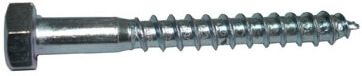
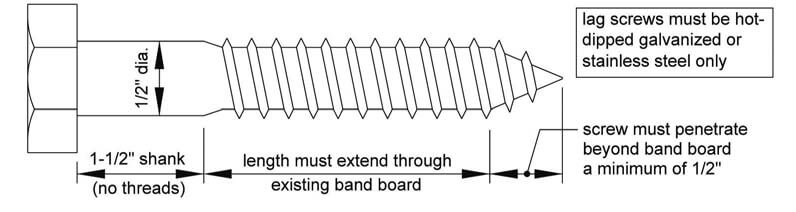
Traditionally, lag screws are the most common method of attaching decks to buildings.  To properly attach a deck ledger using 1/2? lag screws, 5/16? holes need to be pre-drilled through the ledger and rim joist.  After that, a 1/2? hole should be drilled through the ledger only.


Lag Screw Diagram

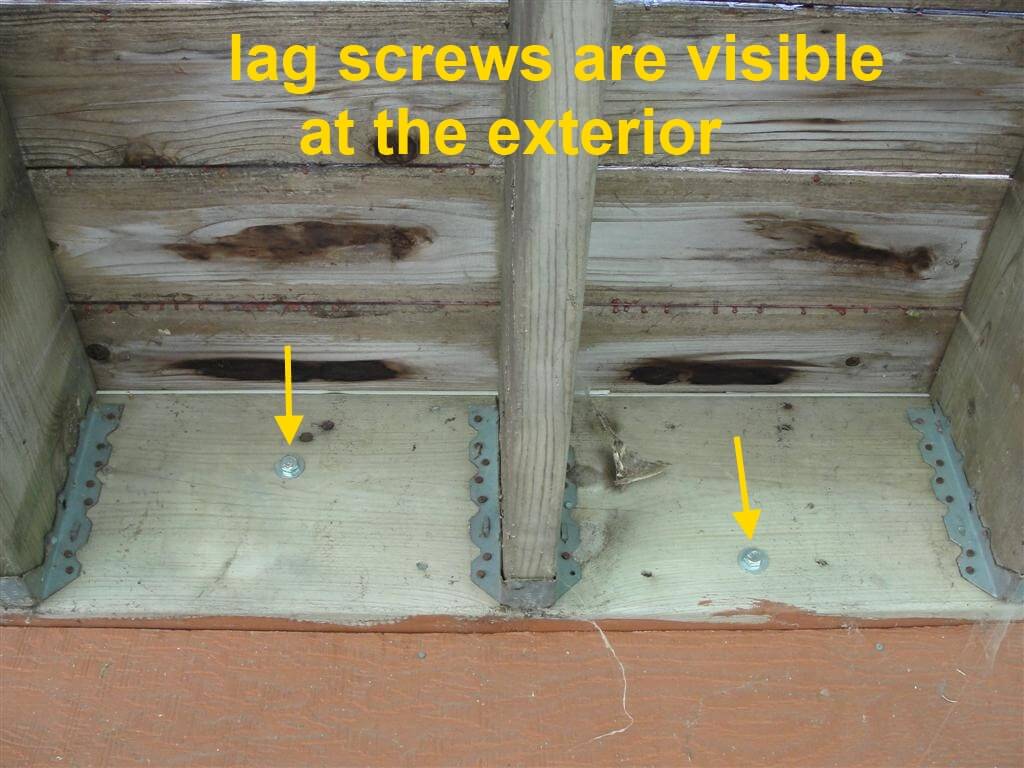
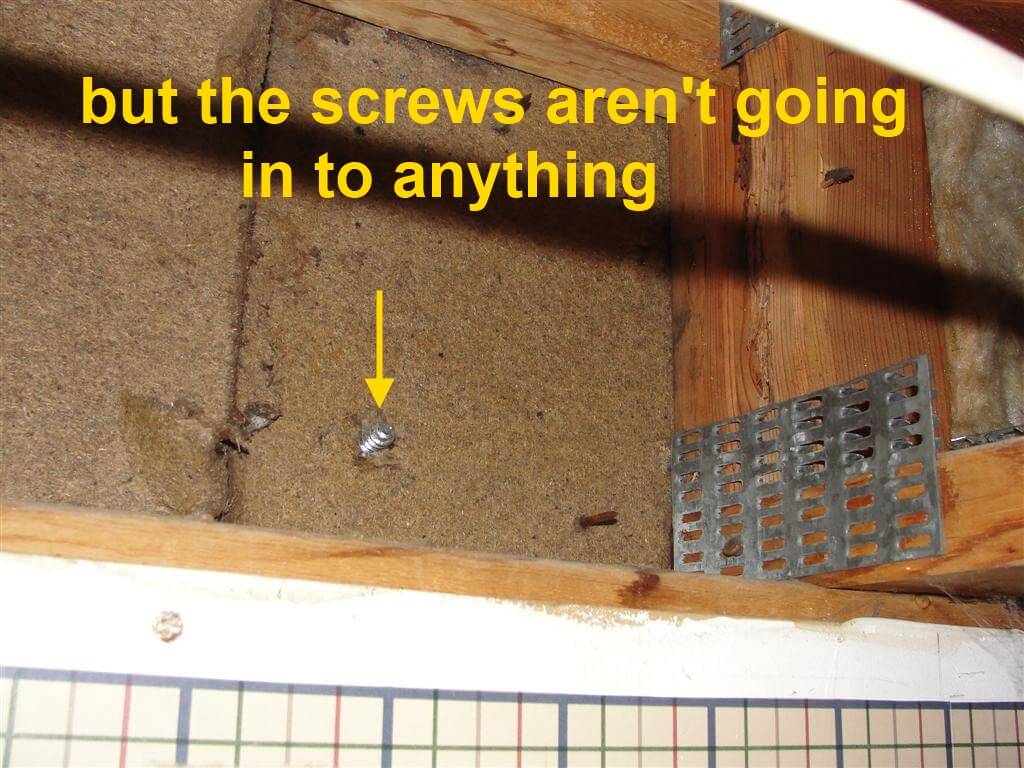
Sometimes lag screws are not attached to anything substantial behind the ledger.  When a home is constructed with floor trusses and there is no rim joist for the deck to attach to, it’s important to figure out what the screws are going in to.  In the photos below, the lag screws were only attached to the fiberboard wall sheathing.

Lag Screws at ledgerboard

Lag Screw in to nothing

Lag screws are inexpensive, but they’re an important part of installing your deck properly.